
May in Bloom: Thai Traditions, Fresh Flavors, and the Art of Gentle Renewal in Brussels
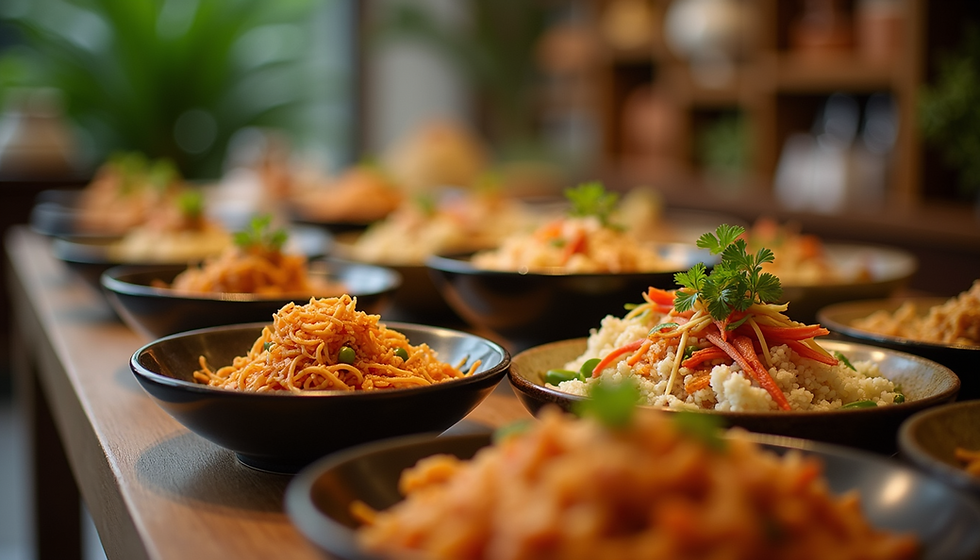
As May begins in Brussels, the city shifts almost imperceptibly. The mornings feel softer. Light lingers longer over Etterbeek. Market stalls brim with asparagus, strawberries, tender greens. After months of grey skies and layered coats, there is a quiet sense of expansion — windows open, tables move onto terraces, and dinners stretch comfortably into the evening.
In Thailand, May carries a similar feeling of transition. It sits between seasons — the warmth building, the air thickening before the monsoon rains arrive. It is a month of attentiveness: to the sky, to the earth, to balance. Farmers prepare for planting season. Families gather for gentle celebrations. Food becomes lighter, brighter, herb-forward.
After celebrating Songkran and washing away the old year, May invites something subtler: cultivating what comes next.
And there may be no better way to explore that spirit in Brussels than through authentic Thai food — dishes that awaken the senses and quietly reflect centuries of Thai culture and traditions.
The Meaning of May in Thai Tradition
While April’s Songkran is exuberant and joyful, May turns inward. In Thailand, this is often when the Royal Ploughing Ceremony takes place — an ancient Brahmin ritual marking the beginning of rice-growing season. Sacred oxen symbolically plough the fields, and seeds are blessed to forecast the agricultural year ahead.
The ceremony reminds Thai people of something essential: prosperity begins with patience. Nourishment begins in the soil.
Rice, of course, is the heart of Thai cuisine. More than a side dish, jasmine rice is comfort, ritual, and foundation. In Thai language, the phrase for “eating a meal” is literally “gin khao” — to eat rice. Food is not separate from life; it is life.
In Brussels, we may not witness ceremonial ploughing, but we feel a similar seasonal shift. May is when we begin planning holidays, hosting garden dinners, rediscovering lighter dishes. It is a month that asks us to slow down and reconnect — to what grows, to what sustains us.
Thai cuisine, with its balance and reverence for ingredients, mirrors that mindset beautifully.
Lightness with Depth: The Thai Philosophy of Balance
At the heart of Thai culture lies a deep respect for equilibrium.
Thai cooking is rarely heavy for the sake of indulgence. Instead, it plays with contrast:
Sweet and sour
Spicy and cooling
Soft and crisp
Fragrant and earthy
This harmony reflects cultural values such as jai yen — keeping a cool heart — and sanuk, the belief that even ordinary moments should contain enjoyment.
May is the perfect time to experience Thai dishes that embody this philosophy. After winter comfort food in Belgium — rich stews, gratins, chocolate desserts — the palate begins to crave clarity.
Consider a bowl of Tom Yum soup, bright with lemongrass and kaffir lime leaves. The chili heat is lively but clean, lifted by lime juice and fresh herbs. It awakens rather than weighs down.
Or Yam Woon Sen, a glass noodle salad tossed with coriander, chili, lime, and tender vegetables. Each bite feels fresh, almost sparkling — a culinary equivalent of stepping outside after rain.
These are dishes that respect the season.
Herbs That Speak of Spring
Thai cuisine tells its story through herbs.
Lemongrass cuts through humidity and heaviness.
Galangal adds citrus warmth with subtle earthiness.
Thai basil releases sweet peppery notes.
Coriander brightens.
Fresh chili energizes.
Coconut milk soothes and binds flavors together.
In May, these ingredients feel especially alive. They echo what we see in Belgian markets — bunches of herbs, fresh produce, color returning to plates.
Thai culinary tradition often views food as a form of gentle wellness. Ingredients are chosen not only for taste but for how they cool or warm the body. As Brussels moves into milder temperatures, dishes naturally shift toward lighter broths, vibrant salads, and stir-fries that celebrate texture.
A plate of Pad Kra Pao, stir-fried with holy basil and chili, offers heat balanced by aromatic freshness. Green Curry (Gaeng Keow Wan), rich with coconut milk yet fragrant with herbs, feels both comforting and energizing. Even something as simple as jasmine rice carries a floral aroma that grounds the meal.
Eating these dishes is less about indulgence and more about alignment with the moment.
Sharing Food, Sharing Energy
Thai dining is deeply communal. Dishes arrive together, placed at the center of the table. There is no rigid sequencing — just flow.
Curries, soups, stir-fries, rice, and salads are meant to be shared. This reflects nam jai, generosity of spirit. You offer the best piece to someone else. You taste from multiple plates. Conversation rises and falls naturally.
In Brussels, where meals are cherished social rituals, this approach feels beautifully familiar. Belgian culture values long dinners, thoughtful pairings, and connection around the table. Thai dining adds a layer of dynamism — contrasting flavors that spark discussion.
A table with Panang Curry, slightly richer and infused with kaffir lime, alongside a bright papaya salad and a fragrant coconut soup creates dialogue on the palate. You reach, pass, comment, laugh.
In May, when evenings grow longer, sharing feels instinctive. The season invites it.
A Thai Experience in the Heart of Brussels
For those searching for a Thai restaurant Brussels that captures this cultural depth, the experience must go beyond flavor alone. Authentic Thai food in Brussels should reflect heritage, balance, and atmosphere.
In Etterbeek, Sukhothai Restaurant has quietly carried that spirit for decades. With its soft Thai background music, fresh flowers, and inviting interior, it offers more than a meal — it offers pause.
The menu balances classic Thai dishes with thoughtful variations. Soups like Tom Kha Gai bring coconut and galangal together in a creamy, aromatic embrace. Stir-fries highlight fresh vegetables and herbs. Curries are layered rather than overpowering.
A weekday business lunch may feel brisk but never rushed. An evening dinner unfolds gently, encouraging shared plates and unhurried conversation.
What makes it feel authentic is not extravagance but consistency — flavors that respect tradition, ingredients that speak clearly, and an ambiance that encourages calm.
In a busy European capital, that sense of jai yen — of a cool heart — is quietly precious.
May Evenings and Thai Comfort
Of course, Belgian weather remains unpredictable. Sunshine may give way to rain in an hour. Thai cuisine adapts beautifully to this variability.
On warmer days, lighter dishes shine:
Papaya salad with lime and chili
Stir-fried vegetables with garlic and basil
Delicate rice noodle dishes scented with herbs
On cooler evenings, comfort returns:
Massaman Curry, slow-cooked and gently spiced
Coconut-based soups that warm without heaviness
Jasmine rice paired with rich, aromatic sauces
Unlike heavy winter stews, Thai comfort food maintains brightness. Coconut milk softens chili heat. Lime juice cuts richness. Herbs lift everything.
This adaptability mirrors Brussels itself — cosmopolitan, layered, constantly shifting between moods.
The Quiet Joy of Sanuk
Thai culture teaches that joy need not be loud. Sanuk can be found in small pleasures — a perfectly balanced bite, the fragrance of basil released by heat, the gentle sweetness of mango against sticky rice.
May is a month of rediscovery. We notice details again — sunlight on façades, the scent of blooming trees, the texture of fresh produce.
Dining at a Thai restaurant in Brussels during this time can feel like participating in that rediscovery. Each dish carries layers of contrast that awaken attention.
A spoonful of Tom Yum tingles at the back of the throat before cooling with herbs. A forkful of Pad Thai balances tamarind tang with roasted peanuts. A bite of Mango Sticky Rice ends the evening softly, coconut cream glistening under ripe fruit.
Nothing is excessive. Everything is intentional.
Thai and Belgian Hospitality: A Shared Language
Though geographically distant, Thai and Belgian cultures share a deep respect for hospitality.
In Thailand, welcoming guests warmly is an expression of nam jai. In Belgium, inviting someone to dinner signals trust and affection.
Both traditions value quality ingredients and time spent together. Both understand that meals create memory.
Perhaps this is why authentic Thai food in Brussels resonates so naturally. It offers something new while honoring familiar values — comfort, generosity, connection.
A Gentle Invitation for May
As May unfolds and Brussels grows greener, consider marking the season with intention.
Gather friends after work. Celebrate a small milestone. Or simply pause midweek to reconnect over shared plates.
Let lemongrass and galangal perfume the air. Let coconut milk soften spice. Let conversation flow between bites of curry and jasmine rice.
In doing so, you participate in a culinary tradition rooted in balance, respect, and quiet joy.
If you wish to explore this experience fully, Sukhothai Restaurant in Brussels offers a welcoming space to discover Thai traditions through food. Whether for a relaxed lunch or a lingering dinner, the flavors reflect a heritage shaped by patience and care.
May is a beginning — not dramatic, but deliberate.
Taste it.
Visit Sukhothai Restaurant in Etterbeek to experience authentic Thai food in Brussels this May — or order your favorite dishes and bring a touch of Thai warmth to your own table.


Comments